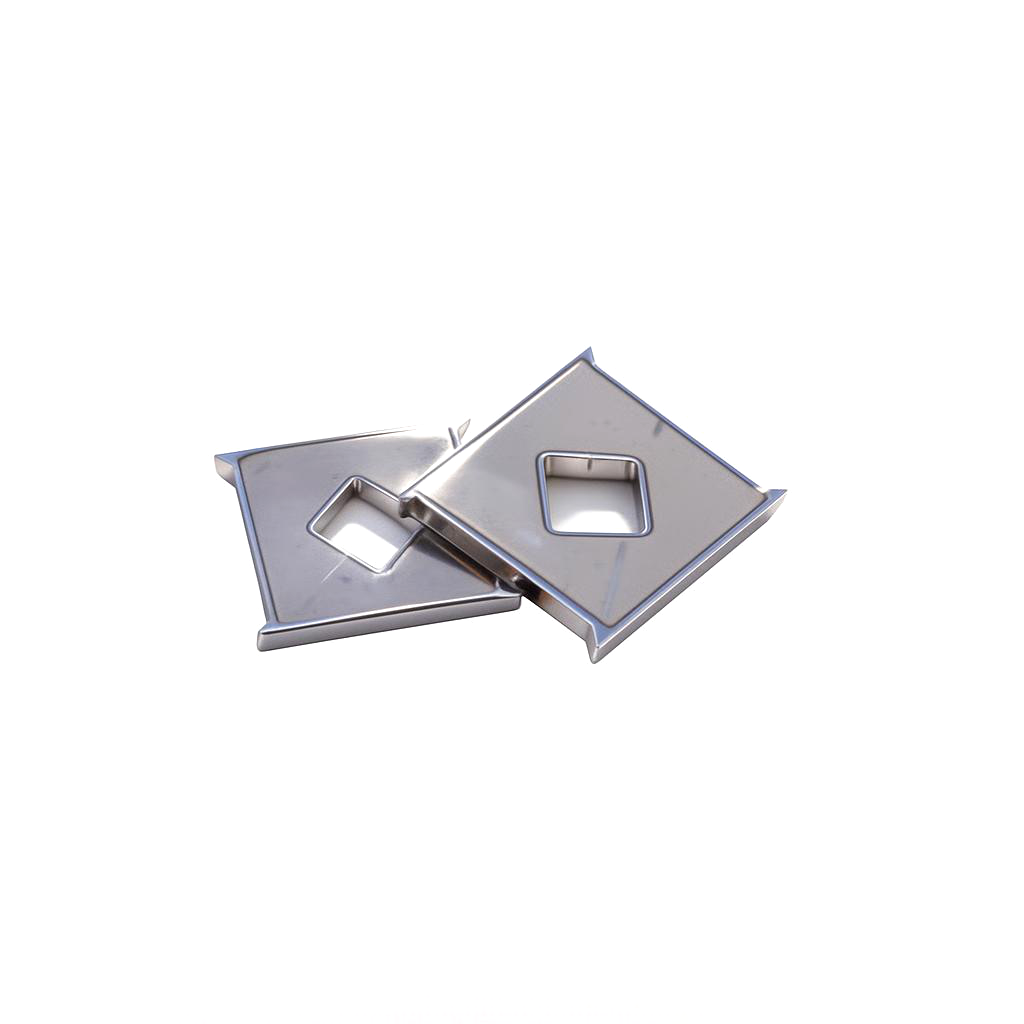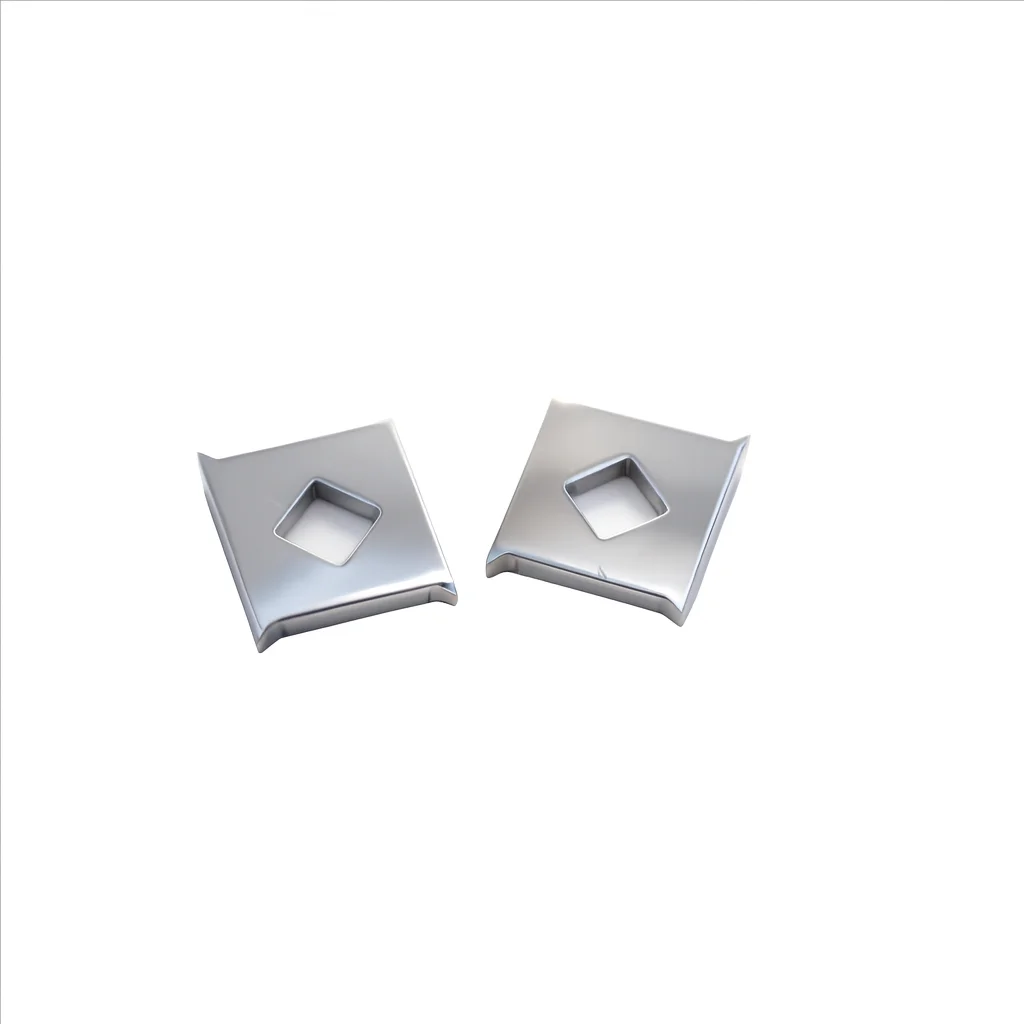
Working Principle of Metal Laser Cutting
Metal Laser Cutting is a high-precision, non-contact thermal processing technology widely adopted in modern metal fabrication. It focuses high-intensity laser beams into tiny spots of 0.1–0.3mm, melting or vaporizing metal along programmed paths, while high-pressure assist gas blows away molten materials to form clean cuts.
Upgraded fiber laser systems dominate current production, featuring faster speed, lower energy consumption and minimal maintenance. Different assist gases including oxygen, nitrogen and air are selected based on materials and usage scenarios to balance cutting speed and edge quality.
Core Advantages Over Traditional Processes
Compared with punching, shearing and plasma cutting, Metal Laser Cutting boasts outstanding flexibility and accuracy. It requires no custom dies, instantly switching product designs via CNC programs, perfectly adapting to prototype sampling, small-batch customization and mass production.
It stably maintains a tight tolerance of ±0.05mm without deformation, scratches or burrs, eliminating secondary deburring and polishing processes. Meanwhile, optimized material nesting greatly reduces scrap rates, effectively cutting production and labor costs.
Applicable Materials & Design Specifications
This process fits most common metal materials, including carbon steel, stainless steel, aluminum and galvanized steel. High-reflectivity copper and brass also support precision cutting with professional parameter adjustment.
Reasonable design rules guarantee processing quality: matching minimum hole diameter with material thickness, reserving sufficient spacing between cutting features, and adopting rounded corners to avoid thermal deformation and cracking.
Professional Quality Control Standards
Standard Metal Laser Cutting quality features ±0.05mm critical dimensional tolerance, ultra-narrow heat-affected zone within 0.2mm, smooth edges and qualified perpendicularity.
Full-process inspection and complete batch traceability records ensure stable batch consistency. It fully meets the strict assembly and welding requirements of photovoltaic brackets, home appliance components, construction hardware and other industrial parts.