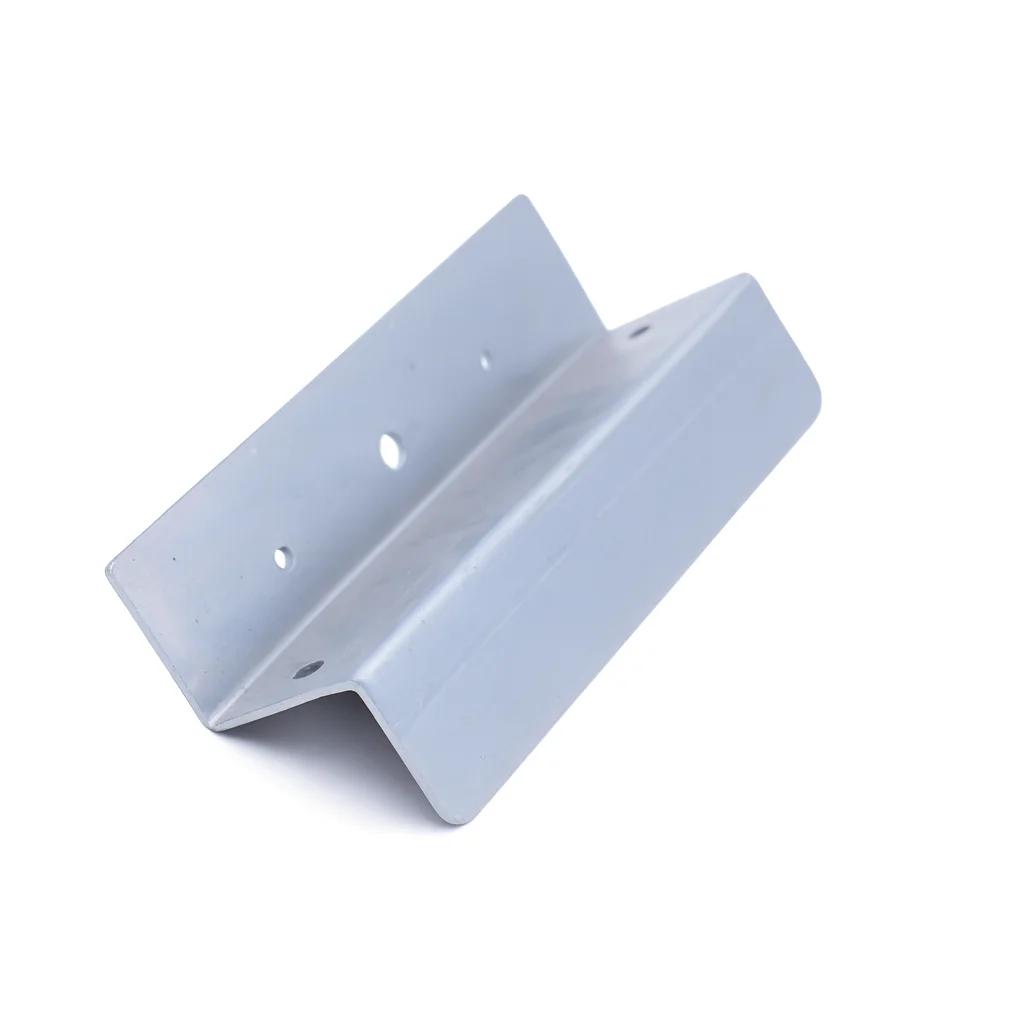
How Professional Sheet Metal Bending Works
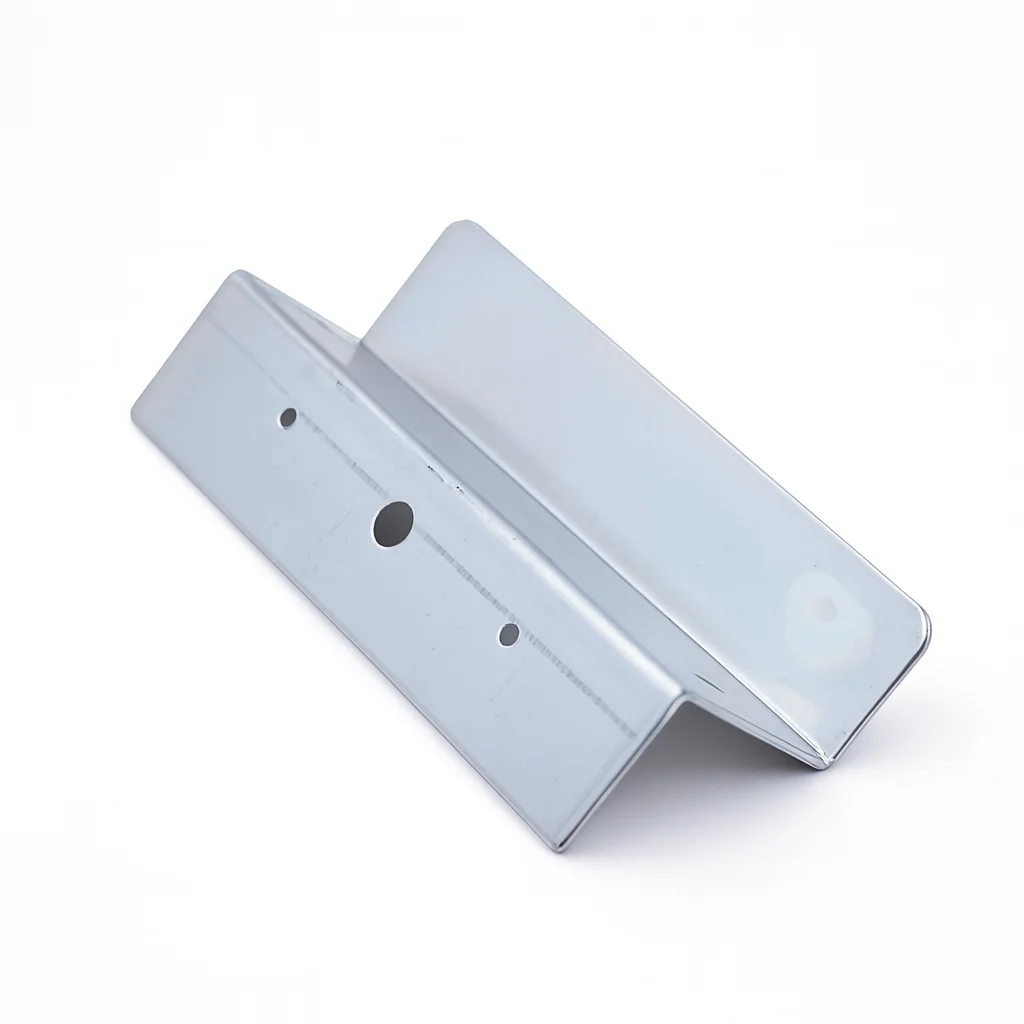
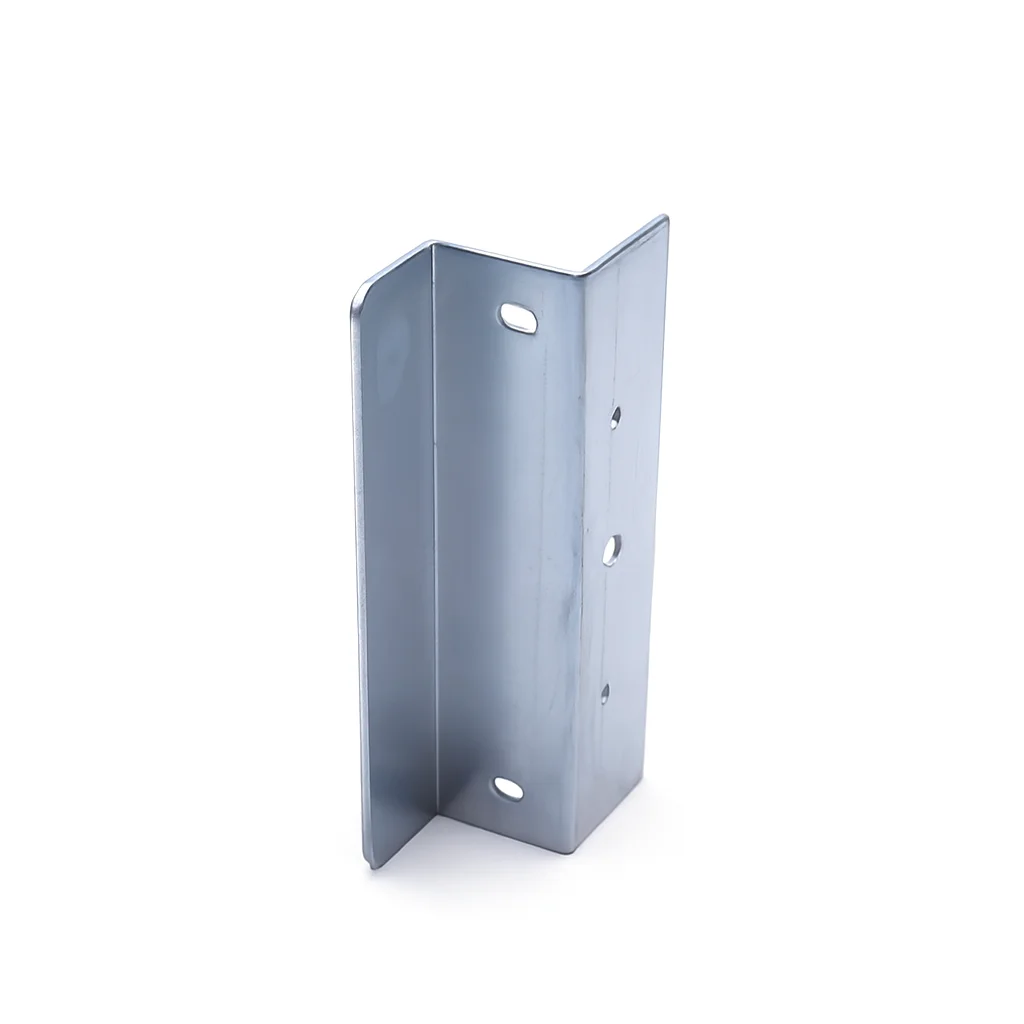
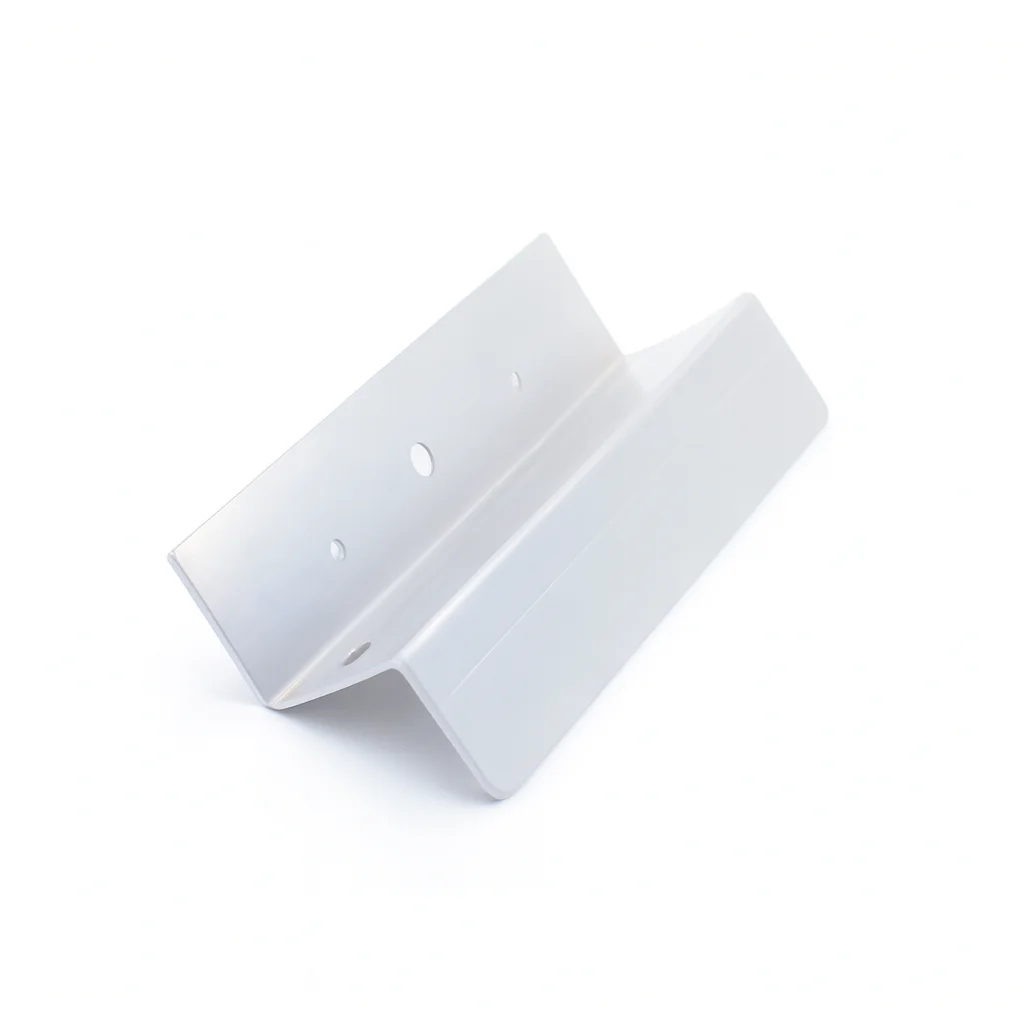
With over 12 years of stamping factory manufacturing experience, we know improper bending methods often cause budget waste and delivery delays. Sheet Metal Bending is a precise metal forming process that shapes flat metal into standard angles and curved structures via press brakes.
It positions sheets between punch and die sets, applying calibrated mechanical force to deform materials without cutting or wasting raw stock. Common techniques include fast and low-wear air bending, high-precision bottoming, and ultra-accurate coining. Professional manufacturers fully compensate for metal springback, a natural material rebound trait, to guarantee accurate forming angles.
Applicable Industrial Materials
Different metals have unique bendability, and material selection determines final product quality. Sheet Metal Bending suits mainstream metals including mild steel, stainless steel, aluminum, copper and brass. Soft materials like aluminum and copper bend easily but require surface protection, while stainless steel and thick steel demand higher tonnage equipment and larger bend radii to avoid cracking. We strictly follow metal grain direction and adjust processes based on material thickness to eliminate forming defects.
Core Advantages Over Other Processes
Compared with stamping and welding, Sheet Metal Bending features outstanding flexibility and cost performance. It adopts standard tooling with low upfront investment, perfectly fitting prototyping and medium-batch orders under 1,000 pieces. This process produces zero material scrap and retains complete metal structural integrity, avoiding weak heat-affected zones caused by welding. Meanwhile, it supports fast design iteration, greatly shortening product development cycles and accelerating market launch.
Common Defects & Quality Control
Most bending failures stem from uncompensated springback, insufficient bend radii, worn tooling and inconsistent material properties. Professional quality control covers pre-production material verification, room-temperature processing, and hourly dimensional sampling. With standardized die maintenance and protective processing, we effectively avoid cracking, surface scratches, tool marks and dimensional deviations, delivering stable, high-precision bent components for automotive, appliance and structural hardware applications.